
Gas Cooker Installation: A Complete Homeowner’s Guide
Learn the proper process of gas cooker installation, safety precautions,
maintenance tips, and why professional installation matters.
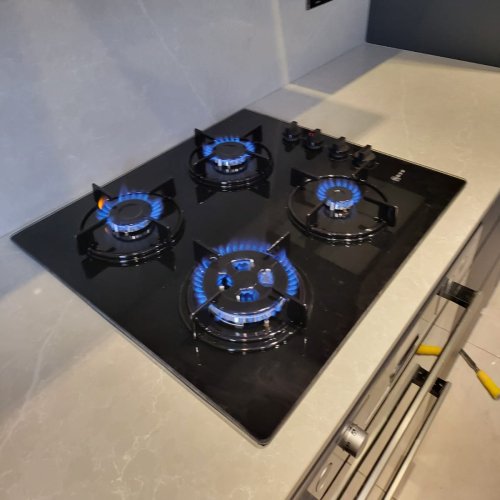
Why Proper Gas Cooker Installation Matters
Installing a gas cooker is an important step in creating a safe and
efficient kitchen. Whether you are replacing an old cooker or installing
a new one for the first time, proper installation is essential for safety,
performance, and long-term reliability.
Incorrect installation may lead to gas leaks, fire hazards, poor cooker
performance, and increased gas consumption. A properly installed gas cooker
ensures safe operation and better cooking efficiency.
Things to Check Before Installation
1. Kitchen Ventilation
Proper ventilation is very important for kitchens using gas appliances.
Good airflow helps remove heat, smoke, and gas fumes safely.
2. Gas Supply Connection
Check that the gas pipe, regulator, and shut-off valve are in good
condition before installation begins.
3. Space and Measurements
Measure the available kitchen space carefully and ensure enough clearance
around the cooker according to manufacturer recommendations.
4. Gas Type Compatibility
Confirm whether your cooker supports Natural Gas or LPG. Using the wrong
gas type can affect performance and safety.
Step-by-Step Gas Cooker Installation Process
Step 1: Turn Off the Gas Supply
Always shut off the main gas supply valve before starting installation.
Step 2: Position the Cooker
Carefully place the cooker in the desired location while maintaining
safe spacing from nearby walls and cabinets.
Step 3: Connect the Gas Hose
Attach the approved gas hose securely to the cooker inlet and gas supply
point using proper fittings.
Step 4: Tighten the Connections
Ensure all gas connections are tight and secure to prevent leaks.
Step 5: Perform Leak Testing
Use soap water or a gas leak detector to test for leaks after installation.
If bubbles appear, turn off the gas supply immediately and fix the issue.
Step 6: Test the Burners
Ignite all burners and verify that the flames burn evenly and properly.
Important Gas Cooker Safety Tips
- Never ignore the smell of gas.
- Keep flammable materials away from the cooker.
- Clean burners regularly.
- Ensure proper kitchen ventilation.
- Inspect gas hoses periodically.
- Schedule professional maintenance checks.
Signs Your Gas Cooker Needs Maintenance
Contact a professional technician if you notice:
- Weak or uneven flames
- Difficulty igniting burners
- Strong gas smell
- Black soot around burners
- Unusual noises during operation
Benefits of Professional Installation
Hiring a professional gas engineer provides several advantages:
- Safe and reliable installation
- Proper leak testing
- Compliance with safety regulations
- Improved appliance lifespan
- Better cooking efficiency
Final Thoughts
Gas cooker installation should always be handled carefully to ensure
maximum safety and efficiency. Proper installation not only improves
cooking performance but also protects your home and family from
unnecessary risks.
If you are planning to install a new gas cooker, consider hiring
qualified professionals to ensure the work is completed safely
and correctly.
